
Coatings on steel are important in contemporary production because they resist corrosion and increase mechanical life. Knowledge on the dissimilarities between galvanneal and galvanized steel enables engineers, architects, and manufacturing executives to make suitable choices on the material to use in certain industrial and construction applications.
The two products are commonly used in the production of automotive, construction, and industrial equipment. This is facilitated by proper choice that guarantees longevity in performance, reduction in maintenance, and better structural integrity in diverse environments.
What Is Galvanized Steel?
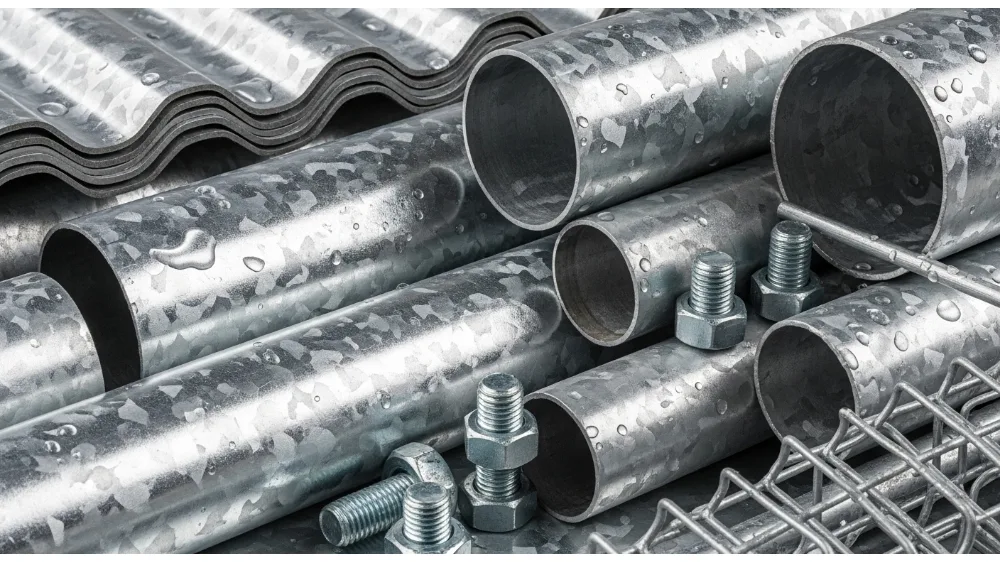
Galvanized steel is a type of steel which is formed by coating a layer of molten zinc on a substrate of steel. It is a great coating since it offers a lot of corrosion resistance by covering the steel from oxidation and exposure to the environment.
Galvanized steel can be used in outdoor tasks such as building structures, roofing, and car bodies. Its zinc coating inhibits the rusting of the steel parts and increases the durability of the metal.
What Is Galvanneal Steel?
Galvanneal steel is a steel product that is coated and is galvanized by a heat treatment of the zinc-iron alloy formed on the surface. In this procedure, the corrosion protection of zinc is coupled with a harder surface that is ideal to be painted and shaped.
Galvanneal steel is usually applied in car body, appliances, and industrial enclosures. Its hard and coated surface makes it ideal for welding, stamping, and painting without the danger of flaking or corrosion.

Production Processes
The production of galvanneal and galvanized steel is very different:
- Galvanized Steel: Steel is immersed in molten zinc under high temperatures and a coating is formed.
- Galvanneal Steel: Steel is galvanized and heated to produce a zinc-iron alloy resulting in a matte and hard finish.
These variations affect mechanical characteristics, corrosion resistance, surface finish, and post-processing requirements.
Material Composition
Galvanized steel is a zinc coating of pure zinc on top of carbon steel. Thickness of the coating can vary based on the demands, typically ranging from 45 to 275 grams per square meter.
The heating process forms a zinc-iron alloy layer on galvanneal steel. The alloy strengthens the coating, enhances paint adhesion, and improves stamping without breaking or peeling. Understanding material composition is essential to predict performance in specific applications.
Corrosion Resistance
Both materials provide corrosion protection, but the performance differs:
- Galvanized Steel: Effective in outdoor exposure and mild industrial environments. Zinc acts sacrificially to prevent rust formation.
- Galvanneal Steel: Offers good corrosion resistance along with superior paintability and surface hardness. It is ideal for automotive panels that require painting or coating.
Coating thickness, environmental exposure, and processing impact the corrosion resistance of both steels.
Mechanical Properties
Mechanical performance is a key consideration for structural and automotive applications:
- Galvanized Steel: Medium hardness and flexibility suitable for general structural use.
- Galvanneal Steel: Higher surface hardness improves stamping, forming, and welding performance while maintaining ductility for intricate automotive components.
Material selection depends on mechanical requirements and post-processing needs.
Surface Finish
Surface finish affects aesthetics, paint adhesion, and post-processing:
- Galvanized Steel: Smooth and shiny, ideal for corrosion protection but less optimal for direct painting.
- Galvanneal Steel: Matte, uniform, and slightly rough surface, excellent for painting and coating.
Proper surface finish selection ensures long-lasting appearance and durability.

Cost Considerations
Material cost affects budgets and production planning:
- Galvanized Steel: Generally cheaper and suitable for general construction and structural applications.
- Galvanneal Steel: Slightly more expensive due to additional alloying and heat treatment but justified for high-quality automotive or painted products.
Choosing the right material balances cost with performance.
Uses of Galvanized Steel
Galvanized steel is applicable across multiple industries:
- Construction: Wall panels, roofing, and framing.
- Automotive: Chassis components, brackets, and underbody parts.
- Industrial Equipment: Structural frames, storage boxes, and piping.
The zinc coating ensures long-lasting durability even in harsh conditions.
Galvanneal Steel Applications
Galvanneal steel is used primarily where post-processing is necessary:
- Automotive: Painted panels, hoods, door skins, and body parts.
- Appliances: Refrigerator shells, ovens, and washing machine panels.
- Industrial Enclosures: Electrical boxes, control panels, and cabinets.
The zinc-iron alloy layer enhances paint adhesion and surface hardness for stamping and forming.

Fabrication and Welding Considerations
Both steels can be fabricated, but welding and stamping behavior differs:
- Galvanized Steel: Standard welding methods may be used, but zinc fumes may require ventilation. Stamping may show minor coating cracks.
- Galvanneal Steel: Excellent weldability, better stamping performance, and superior paint adhesion reduce post-processing issues.
Understanding fabrication characteristics is crucial for design and production planning.
Sustainability and Environmental Factors
Sustainability is a major factor in material selection:
- Galvanized Steel: Zinc and steel are fully recyclable.
- Galvanneal Steel: Similar recyclability with longer service life and lower replacement frequency.
Both support environmentally responsible manufacturing practices when managed properly.
Standards and Specifications
Industry standards ensure uniformity and quality:
- ASTM, ISO, and SAE provide specifications for coating thickness, mechanical properties, and corrosion resistance.
- Compliance ensures predictability and reliability in automotive, construction, and industrial applications.
Adherence to standards is vital for safe and reliable components.
Maintenance and Inspection
Routine maintenance improves durability:
- Inspect coating for consistency and defects regularly.
- Measure thickness to ensure compliance with design specifications.
- Perform frequent cleaning to remove contaminants and prevent corrosion.
Proper maintenance guarantees surface integrity and long-term performance.
Frequently Asked Questions (FAQ)
Q1: How is the primary difference between galvanneal and galvanized steel?
Galvanneal steel contains a zinc-iron alloy layer, whereas galvanized steel contains a pure zinc coating.
Q2: What is the preferred steel for painted automotive panels?
Galvanneal steel offers superior paint adhesion and surface hardness compared to galvanized steel.
Q3: Can both steels withstand corrosion effectively?
Both provide corrosion resistance, but galvanneal steel is more suitable for painted or coated applications.
Q4: Can welding be performed on galvanneal and galvanized steel?
Yes, though galvanized steel may emit zinc fumes requiring ventilation, while galvanneal steel welds cleanly.
Q5: What applications are suitable for galvanized steel?
Construction, roofing, industrial frames, and general automotive components.
Q6: Where is galvanneal steel primarily used?
Painted automotive panels, appliance shells, and industrial enclosures requiring post-processing.
Q7: Are these materials environmentally sustainable?
Both are recyclable; galvanneal steel reduces replacement frequency due to greater durability.
Conclusion
Understanding galvanneal vs galvanized steel is essential for selecting materials in automotive, construction, and industrial applications. Galvanized steel is cost-effective and suitable for general corrosion protection, while galvanneal steel provides superior paintability, stamping, and surface hardness. Choosing the appropriate material ensures long-term durability, lower maintenance, and reliable performance across diverse industrial environments.