
Over the past several decades, production methods have evolved dramatically. Two leading strategies are additive manufacturing and traditional subtractive manufacturing. While both create parts and products, they differ greatly in process, potential, costs, and applicable use cases.
Understanding additive vs traditional manufacturing enables engineers and production managers to optimize efficiency, minimize material waste, and select the most appropriate method for each product.
Additive Manufacturing: What Is It?
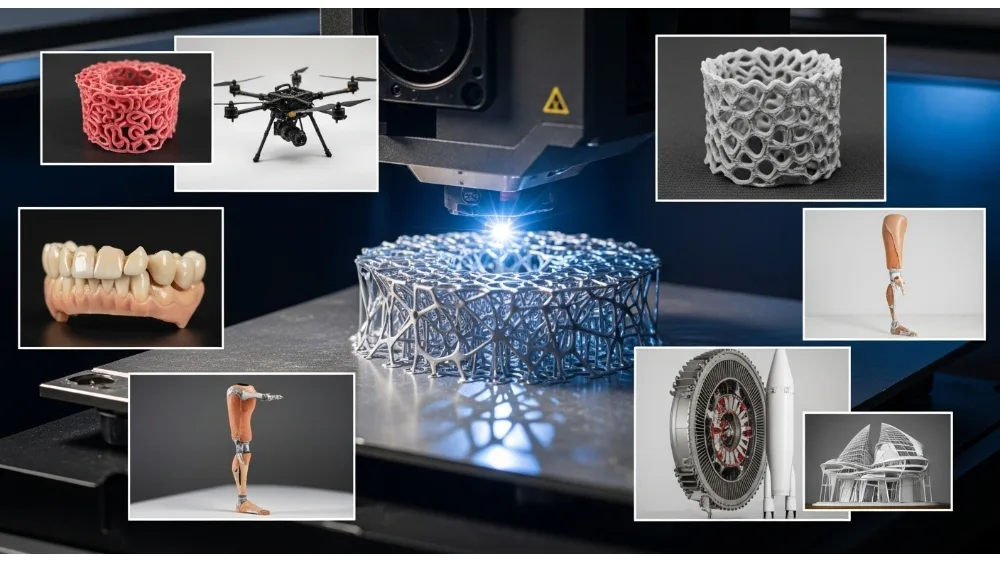
Additive manufacturing, also called 3D printing, builds parts layer by layer until the final shape is achieved. Its versatility allows for the creation of geometries that are difficult or impossible using conventional techniques. Materials range from plastics and metals to composites and ceramics.
Benefits of Additive Manufacturing
- Capable of producing highly intricate and lightweight structures
- Minimizes material waste compared to cutting-based processes
- Accelerates product development through rapid prototyping
- Enables small-batch production and customization
Typical Applications
- Aerospace components with complex internal geometries
- Custom medical implants tailored to patient anatomy
- Rapid prototyping for automotive and consumer electronics
- Tooling and fixtures with complex surfaces or internal channels
Traditional Manufacturing: What Is It?
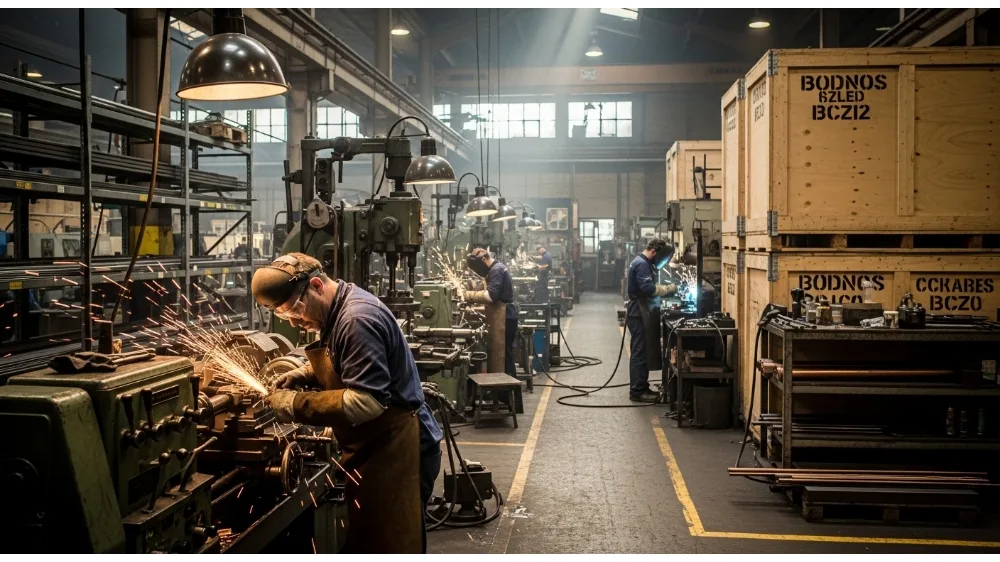
Traditional, or subtractive manufacturing, produces parts by removing material from a solid block using processes like milling, turning, drilling, or grinding. It is a proven method widely used for mass production of standardized components.
Advantages of Traditional Manufacturing
- High precision and reproducibility
- Abundant machinery and skilled operators
- Efficient for high-volume standardized parts
- Compatible with many metals and plastics
Typical Applications
- Automotive engine blocks and gears
- Industrial machine components
- Metal fabricated structural elements
- Consumer goods requiring uniform quality
Key Differences Between Additive and Traditional Manufacturing
Material Efficiency
Additive manufacturing deposits only material required for the part, reducing scrap. Traditional subtractive techniques often produce substantial waste as material is removed to achieve the desired shape.
Design Flexibility
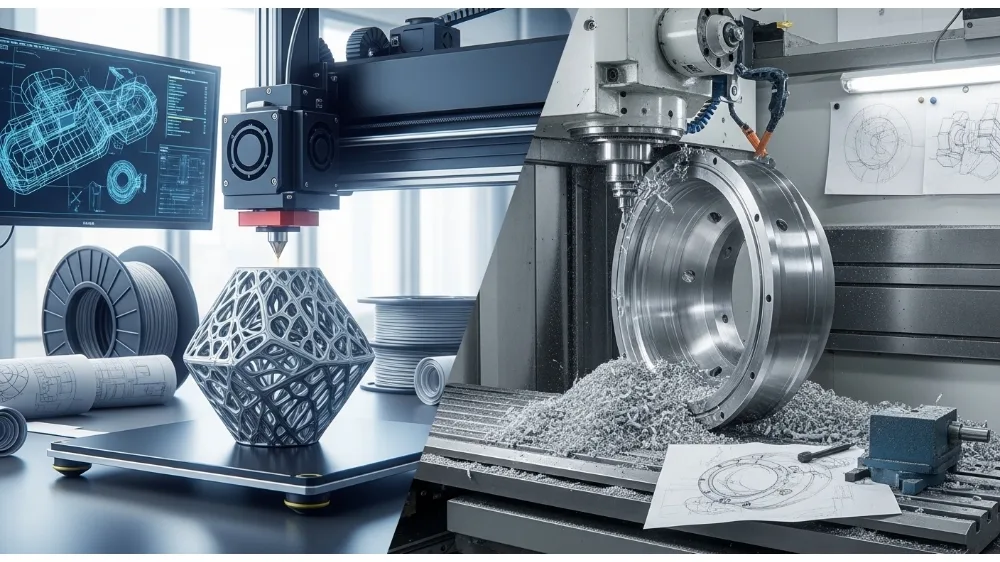
Additive methods enable internal lattices, complex cavities, and topologically optimized structures. Subtractive manufacturing is constrained by tool access and part geometry limitations.
Production Speed
Additive manufacturing is faster for prototypes and low-volume production due to minimal setup. Traditional methods excel in large-volume standardized production after tooling is prepared.
Cost Considerations
Additive processes may have higher per-unit material costs but lower setup costs. Traditional processes incur higher initial tooling and setup expenses but become cost-effective for mass production.
Mechanical Properties
Subtractive methods often yield more consistent material properties and higher strength due to uniformity of the base material. Additive parts may require post-processing to match mechanical performance for load-bearing applications.
Choosing the Right Manufacturing Method
Several factors guide the selection between additive vs traditional manufacturing:
- Design complexity: Additive methods favor intricate or custom geometries
- Production volume: Subtractive methods are ideal for high-volume production
- Material selection: Some metals and high-strength alloys perform better with subtractive methods
- Cost and lead time: Consider labor, material, setup, and turnaround time for each method
Hybrid Manufacturing Approaches
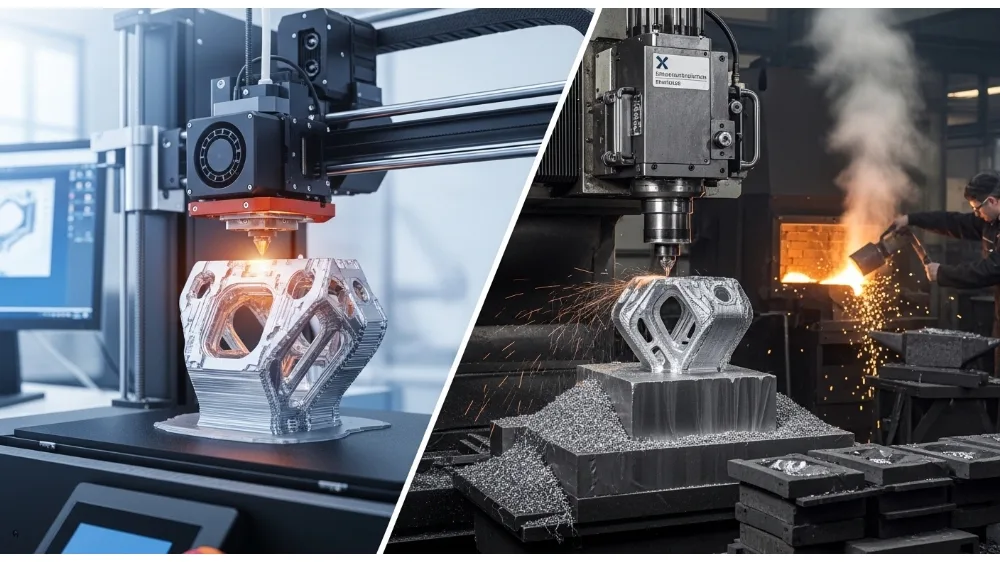
Modern production often combines additive and traditional methods. For example, a prototype may be 3D printed, then mass-produced via CNC machining. Hybrid workflows leverage additive flexibility and subtractive material performance to achieve optimal results.
Environmental Impact
Additive manufacturing reduces material waste but can consume significant energy, especially for metal printing. Traditional methods generate more scrap, though recycling rates and energy efficiency can be higher at scale.
Emerging Trends in Manufacturing
- Metal 3D printing is advancing aerospace, medical, and automotive applications
- High-speed machining reduces cycle times while preserving tool life
- Hybrid machines integrate additive layering with subtractive finishing
- Topology optimization software enables stronger, lighter designs suitable for additive techniques
Common Mistakes in Process Selection
- Using additive methods for high-volume production without considering cost per unit
- Applying subtractive methods to highly complex parts, increasing machining time
- Ignoring material compatibility and required mechanical properties
- Underestimating post-processing requirements, such as heat treatment or surface finishing
Frequently Asked Questions (FAQ)
Q1: What is the main difference between additive and traditional manufacturing?
Additive builds parts layer by layer, whereas traditional subtractive removes material from a solid block.
Q2: Which method is faster?
Additive is faster for prototyping and small batches, while traditional methods are faster for mass production.
Q3: Can additive manufacturing produce strong functional parts?
Yes, but metal additive components often require post-processing like heat treatment or machining for optimal strength.
Q4: Which method is more cost-effective?
Additive is cost-efficient for low-volume, complex parts; traditional is better for high-volume standardized production.
Q5: What materials are used in additive manufacturing?
Common materials include plastics, metals, composites, and ceramics, depending on the 3D printing technology.
Q6: Can additive and traditional methods be combined?
Yes, hybrid workflows combine additive for complex features and subtractive for finishing or standard components.
Q7: How do sustainability aspects differ?
Additive manufacturing produces less material waste, whereas traditional methods generate more scrap but can be more energy-efficient at scale.
Conclusion
Understanding the differences between additive vs traditional manufacturing helps manufacturers select the most suitable method for each project. By considering design complexity, production volume, material choice, and cost, engineers can optimize efficiency, minimize waste, and produce high-quality components. Hybrid workflows offer a modern approach, combining the advantages of both methods to create complex, customized, and mechanically reliable parts.